Looking for Human Information Overload? Here It Is

You came here for Human Information Overload, and everything below is exactly that, supported by a wide range of real example pictures for reference.

A description can only go so far before a picture does the job better, because one clear image can answer what paragraphs cannot.
Example Images of Human Information Overload
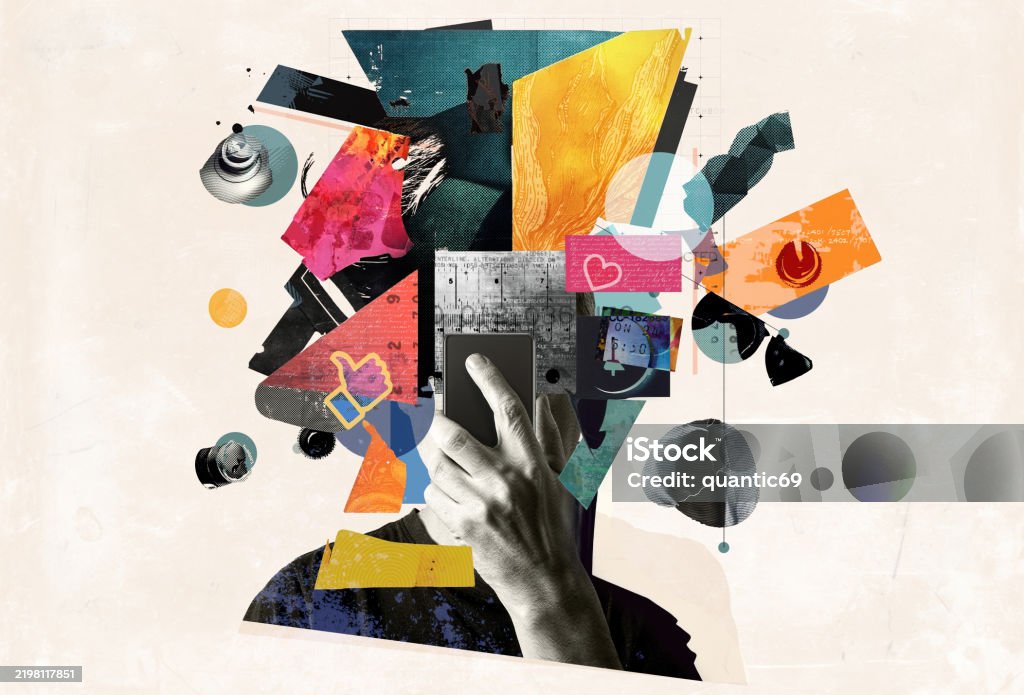
This collection gathers all kinds of Human Information Overload in one scrollable view, and you will quickly see how much variety exists.
Scroll slowly and let each image register, since patterns start to appear after just a few examples.

How the Gallery Helps You Understand
Each image works as a small explanation of its own, making it much easier to judge what fits your needs.
Watch for the elements that appear again and again, and those repeated features are what make it recognizable.

Different Variations, Different Styles
No two examples in the gallery look exactly the same, a few lean traditional while others feel modern, and seeing them together makes your own preference obvious.
Notice which image makes you stop scrolling, and it often matches what you will want in the end.

How to Use These Examples for Reference
The collection works best when you do something with it, like marking the images that match your idea.



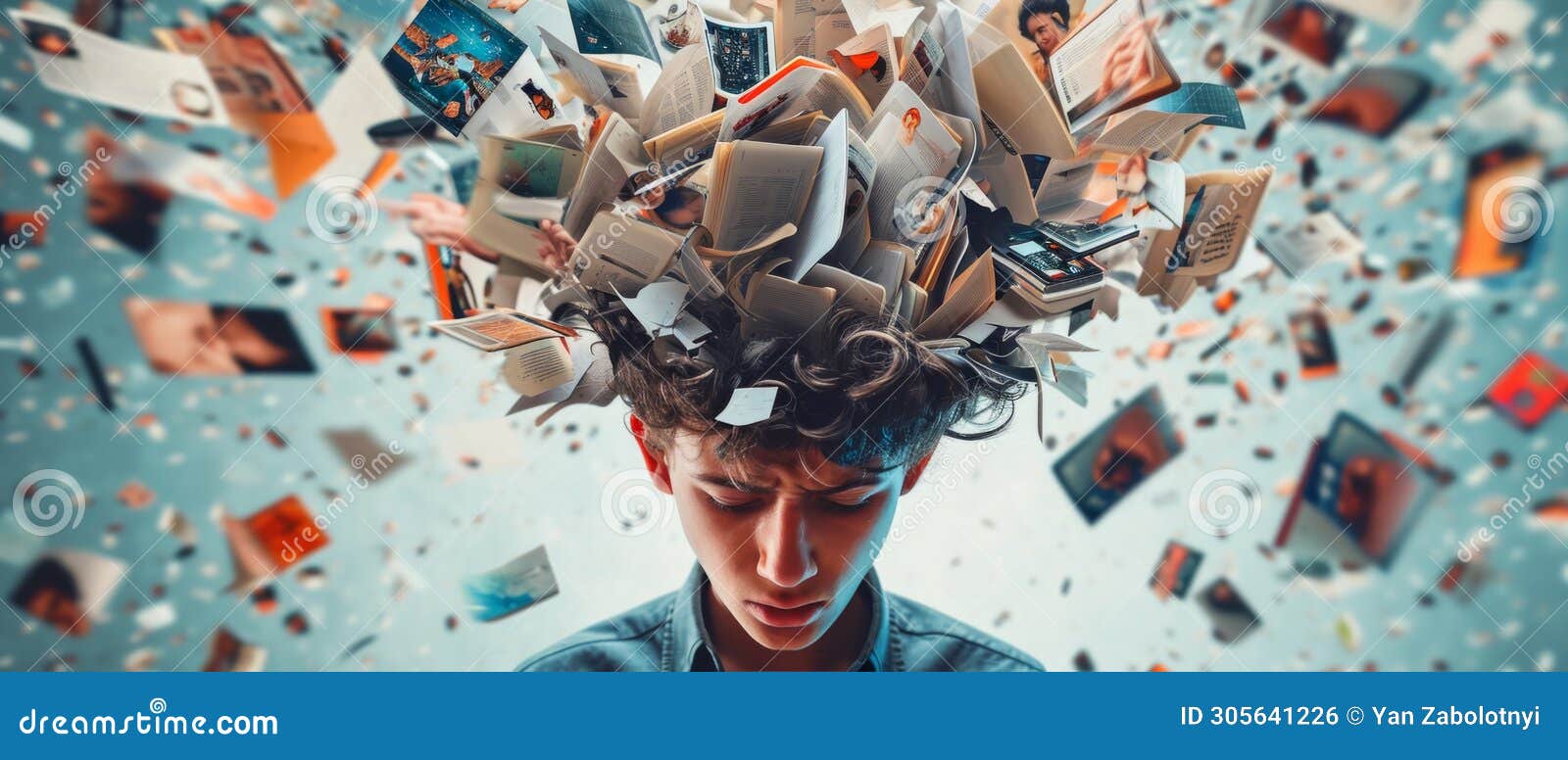

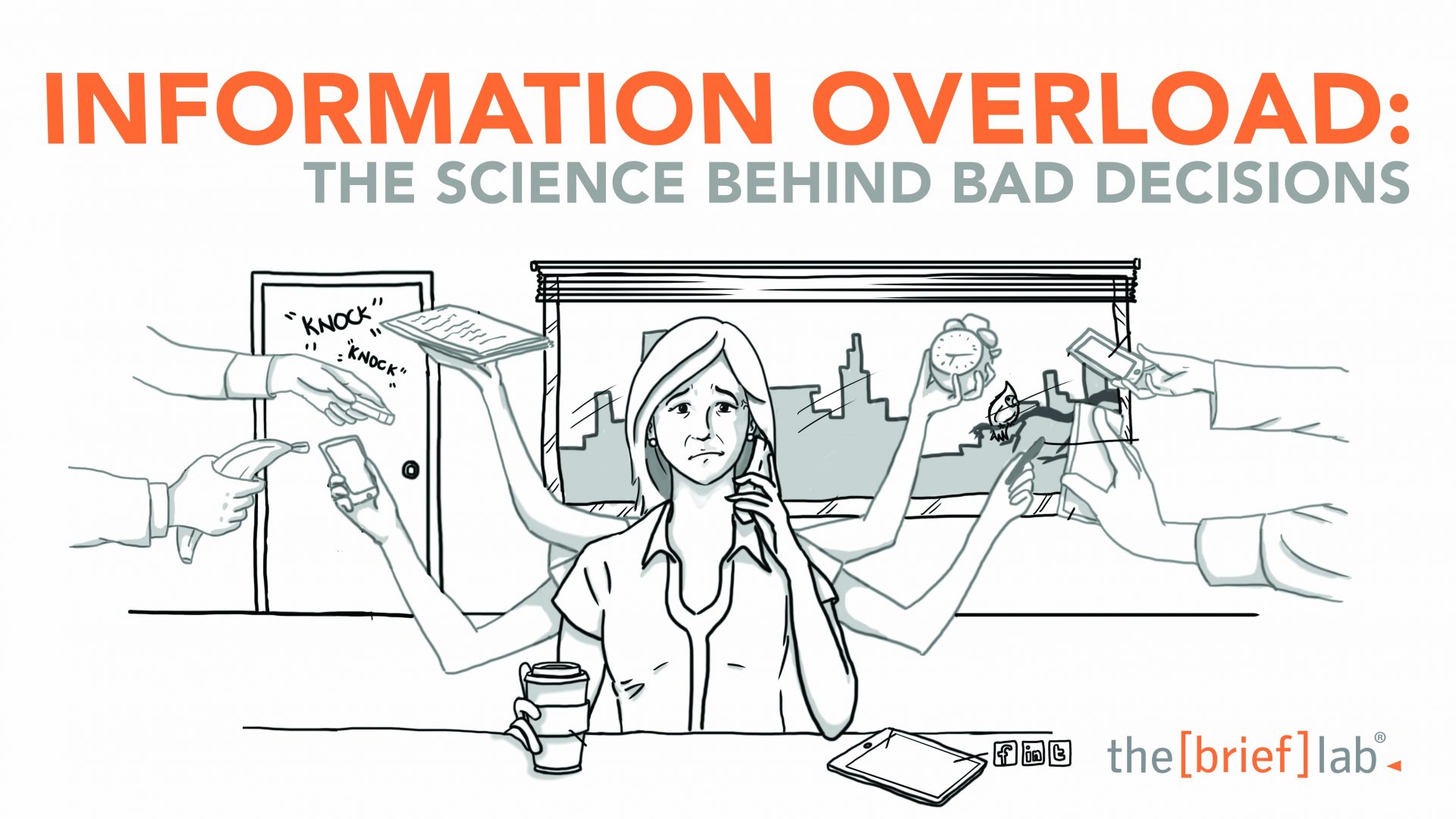

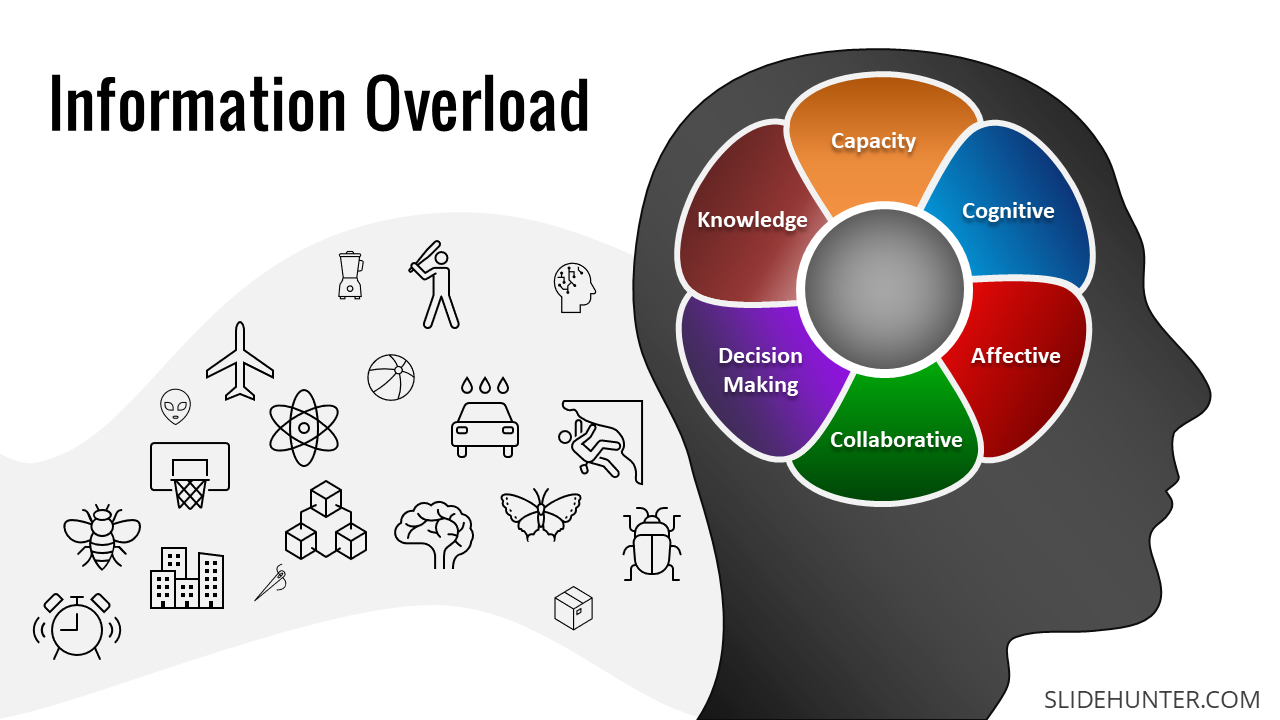






Pictures remove the guesswork from conversations, which prevents most of the usual misunderstandings.
Closer Looks at the Examples
Slow down and examine fewer images more carefully, paying attention to textures, proportions, colors, and how things are arranged.
The images you linger on will shape your understanding most, so choose the closest matches and examine those thoroughly.
Pictures Explain Faster Than Words
It is no accident that people search for images first, a picture removes interpretation and shows the thing itself.
That is the strength of having many examples side by side, be it ideas, verification, or simply knowing what to call it.
Browse More Images Whenever You Need
Keep this gallery close for whenever the question resurfaces, and a fresh look at the same gallery often reveals something new.
Repeated exposure quietly builds real visual understanding, and each pass through the images adds to what you already know.